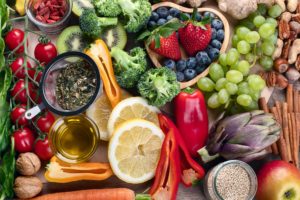
 You’ve heard it time and time again that diet is one of the most important lifestyle factors in maintaining a healthy blood pressure and reducing the risk of heart disease, diabetes, and certain types of cancer. While your diet alone will not completely prevent or resolve these common health problems, working towards a healthier diet can improve your health.
While there is no “official” definition of a superfood, there are several nutrient-dense foods that are known to benefit your health, making them valuable additions to your everyday diet. A well-known “superfood” is kale, but some people don’t want to eat kale regularly… so which nutrient-dense “superfoods” are full of good nutrients, but can still be incorporated into your diet in a delicious way? We’ve compiled 5 favorites and suggested ways you can add them to your diet.
Blueberries Boost Well-being
Benefits: According to helpguide.org, blueberries are full of fiber and antioxidants. Antioxidant compounds can counteract unstable molecules in your body, such as free radicals that damage DNA, cell membranes, and other parts of cells. The fiber in blueberries keeps you feeling full longer and aids in weight loss. Blueberries have also been known to support a boosted mood and strong mental health. This doesn’t mean blueberries are the single cure to your overall mood, as other factors play a role in your mental well-being.
Adding blueberries to your diet: Personally, I like to add blueberries with almond butter or honey into oatmeal for breakfast. You could also add blueberries into your diet by eating them plain as a snack, or adding them to your cereal, smoothies or yogurt!
Olive Oil is Heart Healthy
Benefits: Olive oil has been known to benefit blood pressure and cholesterol. In 2018 the FDA determined there was credible evidence to support the claim that consuming olive oil may reduce the risk of coronary heart disease because it is high in oleic acid. Olive oil has also proven to improve the functionality of good cholesterol by reducing the amount of “bad cholesterol.”
Adding olive oil to your diet: Olive oil can be added to your diet as a cooking replacement for butter or lard. This is a quick and easy way to incorporate it into your everyday routine. If you want to include it in your diet even more, try adding olive oil to a homemade salad dressing or dipping some warm, whole-grain bread in it as an appetizer.
Whole Grains Help Gut Health
Benefits: There’s a reason USDA’s MyPlate recommends making half of your grains whole. According to healthyeating.org, whole grains are important sources of fiber, B vitamins and minerals. Getting a good source of these nutrients has been proven to reduce the risk of coronary heart disease, constipation and overeating (as they make you feel full faster).
Adding whole grains to your diet: Try swapping out the typical bread you eat with something that is whole grain. You can buy whole grain bread for sandwiches to eat at lunch or swap out your regular pasta for whole grain pasta to get the nutrients you need. You could also add brown rice or quinoa to your meals.
Tomatoes Protect Your Body
Benefits: Tomatoes are low in fat, but full of fiber and water content that will satisfy your hunger. They are a rich source of lycopene, an antioxidant that has been associated with reduced risk of heart disease and cancer. Lycopene has also proven to protect your skin against sunburn.
Adding tomatoes to your diet: One of my personal favorites is adding tomatoes into my diet during breakfast by putting cherry tomatoes on top of a piece of avocado toast with an egg. You could also incorporate tomatoes into your diet by making homemade salsa to eat with tacos (made from ground turkey for your source of lean protein) or a caprese salad to enjoy with a pasta dinner. Seasoning them up as a snack can be tasty as well!
Garlic is Highly Nutritious
Benefits: Garlic contains several beneficial minerals like phosphorous, potassium, magnesium, zinc, calcium and iron. All these minerals combined make garlic a force to be reckoned with. Garlic has been known to lower blood pressure and cholesterol levels, regulate blood sugar, aid in digestion and boost immunity.
Adding garlic to your diet: Garlic can be added to your diet by simply using it to flavor the food you cook. Garlic is low in sodium, making it a good alternative to salt. I make it easy to add garlic into a variety of meals by purchasing a jar of minced garlic. This takes away the hassle of cutting it up or trying to keep it fresh.
Eating clean can be a challenge. If you make a conscious effort to shop around the perimeter of the grocery store and incorporate a variety of healthy foods into your diet, your health can improve. Whether they are officially labeled “superfoods” or not, the nutrient-dense foods listed above are worth experimenting with.
Not a fan of the foods listed above? There are so many other nutrient-dense foods to try out! Talk to your doctor to see what will work best for you.
Questions to Ask Your Doctor
- What foods would I benefit from adding to my diet regularly?
- Do I need to remove anything from my current diet to achieve my health goals?
- Are there any foods that might interact poorly with my current medications?
If you don’t have access to adequate food, ACN’s Care Coordination team may be able to help. Contact members@azcarenetwork.org to find out if you’re eligible.